Tours Cart

x 2

x 3
$4498
View Cart
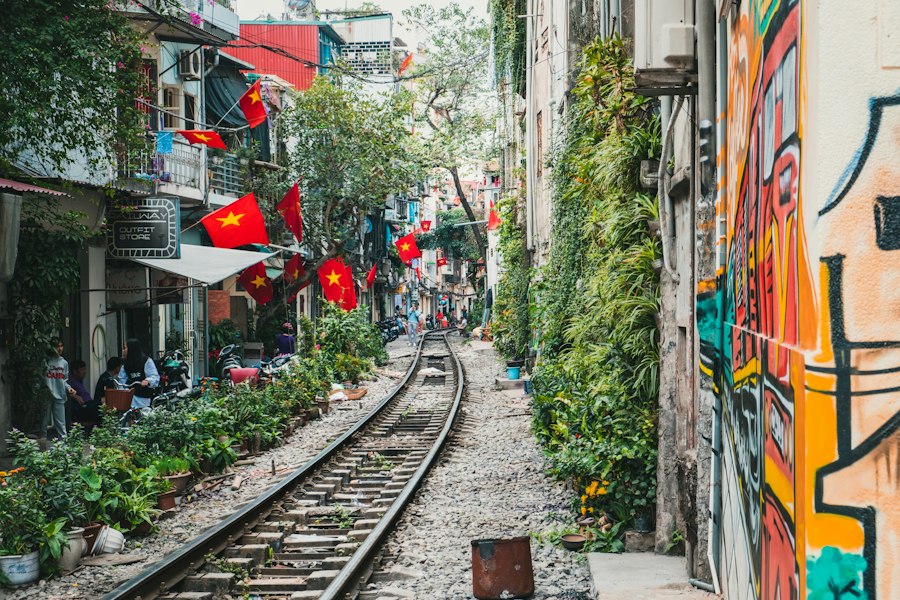
Hanoi is Vietnam's northern capital and cultural center — a city where French colonial architecture stands alongside ancient pagodas, and where street food carts serve the same recipes they've followed for generations. The Old Quarter's 36 guild streets, Hoan Kiem Lake, and the Temple of Literature are the foundations of any visit.
Hanoi has been the political and cultural capital of Vietnam for over a thousand years — a fact that is visible on almost every street. The Hoan Kiem Lake at the city's heart has been a gathering place since the 15th century, when a mythological turtle is said to have reclaimed a magical sword from a victorious king, giving the lake its name: "Lake of the Restored Sword." The red-arched Huc Bridge and Ngoc Son Temple on a small island make it one of the most photographed scenes in Northern Vietnam, though locals simply use it as a morning jogging track and evening promenade.
The Old Quarter — known locally as "36 Pho Phuong" (36 guild streets) — is where Hanoi's mercantile history is most legible. Each street was historically associated with a single trade: Hang Bac (silver), Hang Gai (silk), Hang Thiec (tin). Those specialisations have blurred over centuries, but the narrow tube-house architecture remains unchanged, and the street food ecosystem that has grown around them is unmatched anywhere in Vietnam. A motorbike food tour through the back alleys after dark — stopping for bun cha, banh cuon, and egg coffee — is among the most rewarding ways to spend a first evening in the country. Our food & culinary tours are built around exactly this kind of after-dark exploration.
Beyond the Old Quarter, Hanoi rewards deeper exploration. The Temple of Literature (Van Mieu), founded in 1070 as Vietnam's first university, is one of Southeast Asia's best-preserved examples of traditional Vietnamese architecture — its five courtyards and stone stelae listing the names of doctoral graduates from the 15th century onward tell a quieter story of the country's Confucian scholarly tradition. The Ho Chi Minh Mausoleum Complex in the Ba Dinh district — where Ho Chi Minh read the Declaration of Independence on 2 September 1945 — draws long, respectful queues every morning except Monday and Friday when it is closed for maintenance. The adjacent One Pillar Pagoda, built in 1049 to resemble a lotus blossom rising from a pond, is a 5-minute walk and rarely crowded.
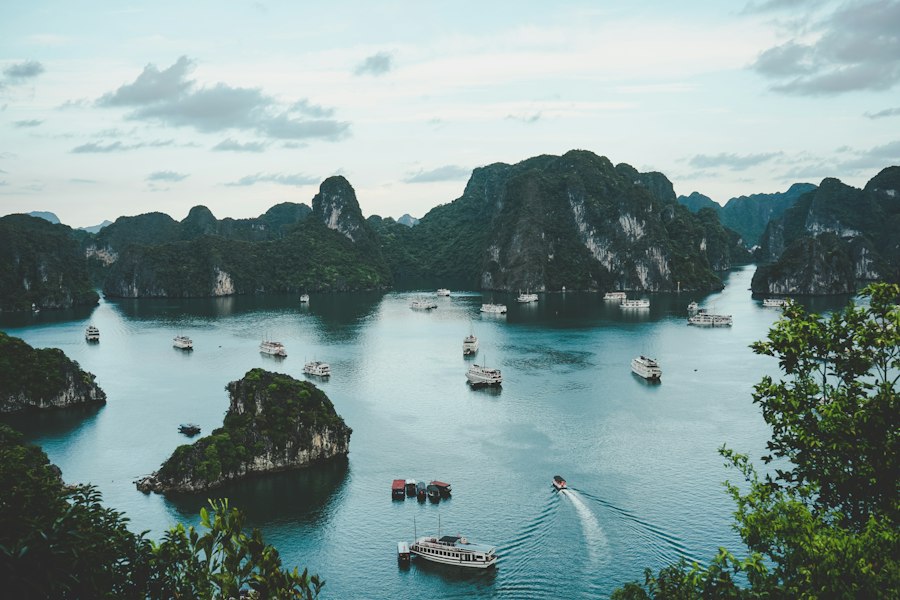
Hanoi also functions as the natural departure point for the rest of Northern Vietnam. Most visitors combine 2 nights in the capital with an overnight Halong Bay cruise, a day trip to Ninh Binh's karst valleys, or a highland extension to Sapa. All of these are covered in our classic Vietnam tour packages, which build outward from Hanoi and move south at whatever pace suits your schedule.
Our local specialists can build the perfect itinerary around this destination.