
Tours Cart
$4498
View Cart
Everything you need to plan a trip to Vietnam's capital — Old Quarter streets, street food, museums, and day trips.
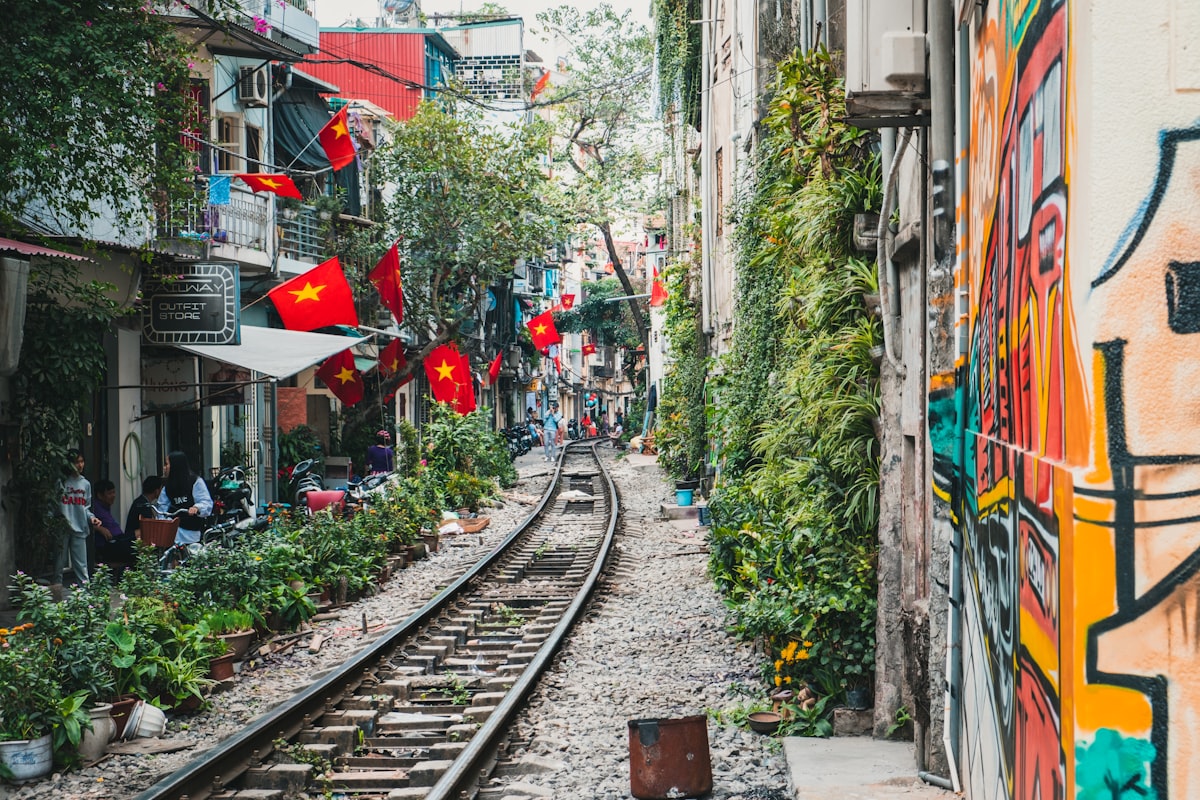
Hanoi, the heart and capital of Vietnam, is a city where time behaves differently. It is an enchanting sensory collision of ancient history and frantic modern energy. To truly feel the pulse of this ngàn năm văn hiến (thousand-year-old) city, one must dive straight into the labyrinth of the Old Quarter.
Also known as the "36 Streets", each narrow lane here is historically named after the specific trade or craft practiced by its artisans—from silver and silk to bamboo and paper. Today, as you stroll past weathered yellow colonial shophouses draped in green moss, you will dodge weaving motorbikes, pass elderly locals practicing Tai Chi by the shores of Hoan Kiem Lake, and feel a deep sense of poetic nostalgia that no other Asian capital can replicate.
You cannot truly understand Hanoi without tasting it. The culinary philosophy of the capital relies heavily on balance, subtle nuances, and a deep-rooted respect for tradition. The pavement here isn't just a walkway; it is an open-air dining room.
Hanoi is the birthplace of the nation's most celebrated culinary masterpieces. For the ultimate breakfast ritual, look for the steaming cauldrons of clear, aromatic Northern broth in a classic bowl of Hanoi Pho. As afternoon turns to evening, follow the rich smoky trails of charcoal-grilled pork to a roadside stall for a plate of legendary Bun Cha, or seek out a cozy hidden sanctuary to sip a creamy, comforting glass of local Hanoi egg coffee.
Beyond its dynamic street life, Hanoi boasts a wealth of profound historical landmarks that showcase its complex, resilient past. From imperial dynasties to French architectural influences, every corner has a story to whisper.
The Temple of Literature: Built in 1070, this serene walled complex is Vietnam's first national university. Walking through its peaceful courtyards, traditional pavilions, and ancient turtle steles offers a profound glimpse into the country's deep-seated Confucian academic heritage.
The French Quarter & Ho Chi Minh Mausoleum: Contrast the ancient Asian structures with a walk down the grand, tree-lined boulevards of the French Quarter, featuring the majestic Hanoi Opera House. Afterward, pay your respects at the solemn, monumental Ho Chi Minh Mausoleum complex to understand Vietnam's modern revolutionary path.
While Hanoi's energy is intoxicating, its strategic location makes it the perfect launchpad to explore some of Northern Vietnam's most breath-taking landscapes. If you want to maximize your adventure, joining a structured expert tour or booking a private day excursion is highly recommended.
Ninh Binh (The Inland Ha Long Bay): Just a two-hour drive south, Ninh Binh offers a dramatic landscape of towering limestone karsts rising majestically out of emerald rice paddies. A slow wooden boat ride through the tranquil caves of Trang An or Tam Coc will leave you absolutely speechless.
Perfume Pagoda (Chua Huong): For a deeply spiritual journey, travel to this vast complex of Buddhist shrines built into the limestone Huong Tich mountains, reached via a poetic rowboat journey down the Yen River.
Our local specialists can turn this guide into a tailored itinerary.