
Tours Cart
$4498
View Cart

Packing requirements for cold mountains in Sapa versus sunny beach holidays down in Phu Quoc.
There are very few places on earth where you can pack a heavy winter coat and a tropical bikini for the exact same week-long vacation. Welcome to winter in Vietnam (November to February). Because of the country's unique, elongated S-shaped geography, the winter months do not bring a unified blanket of cold; instead, they trigger a dramatic, high-contrast climate division across the peninsula.
As thoroughly analyzed inside our master Vietnam weather by month guide, winter is a highly favored window for international travelers, especially those escaping freezing Western hemispheres. Whether you are aiming to execute a sweeping cross-country trail like our 2-week grand overland journey or a focused regional exploration, understanding this geographic divide is the absolute key to stress-free planning.
In the northern provinces, winter manifests as a genuine, highly atmospheric dry cold, completely flipping the tropical stereotype of Southeast Asia.
Hanoi Urban Rhythms: The capital drops into a cool, romantic state with temperatures averaging 15°C. The iconic yellow colonial buildings are wrapped in a soft morning mist, making it the absolute finest season to wander the streets without breaking a sweat, ducking into cozy wood-paneled cafes to sip local egg coffee by candlelight.
Highland Extremes: Head high into the mountains of Sapa or Ha Giang—featured heavily in our intensive 10-day northern mountains and bays loop—and the weather turns intensely rugged. Temperatures routinely slide into single digits, and high-altitude ridges like Mount Fansipan can witness rare mountain frost and ice. The craggy limestone walls are frequently swallowed by immense seas of slow-moving cloud layers, creating a dramatic, otherworldly backdrop for hikers who pack correct layers, as outlined in our specialized Vietnam packing essentials checklist.
Cross the geographical barrier of the Truong Son mountain range, and the climate narrative shifts instantly from a cozy winter into a sun-drenched, high-summer paradise.
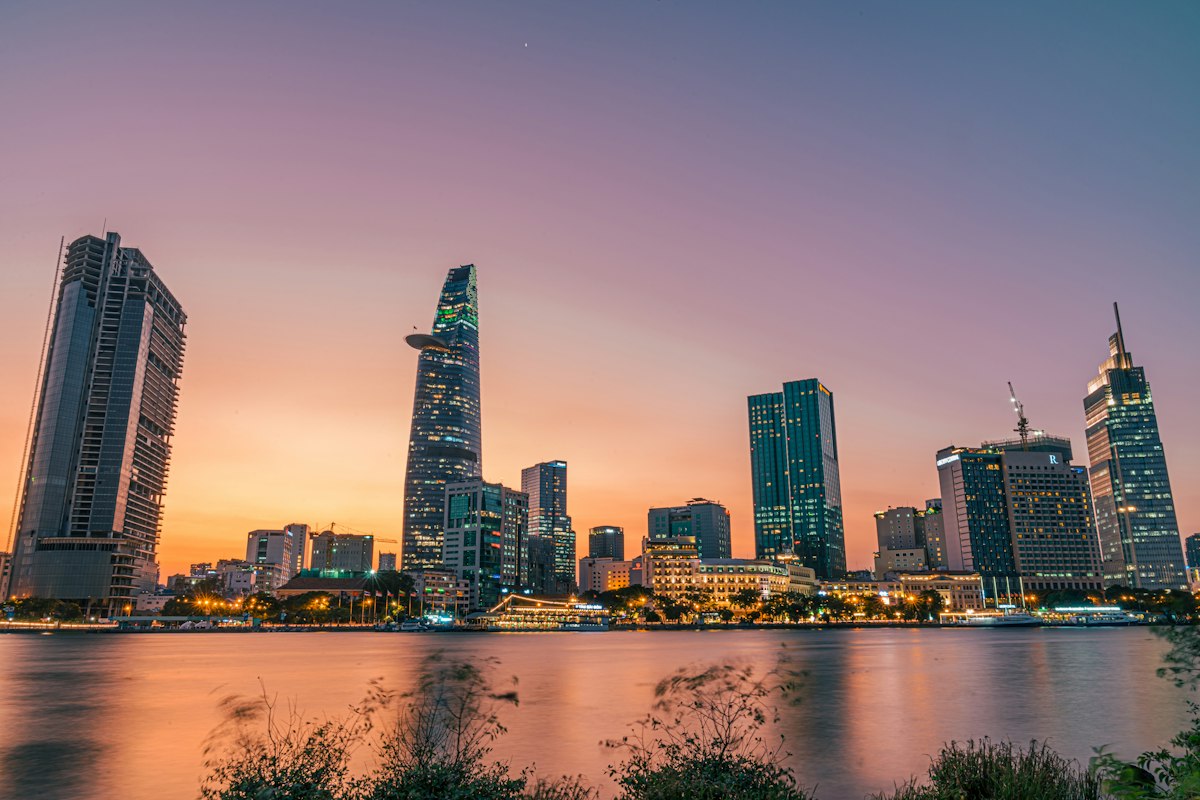
The Golden Delta and Metropolis: Southern Vietnam (Saigon and the Mekong Delta) enters its absolute annual prime. The heavy monsoonal summer rains are completely gone, replaced by endless days of flawless blue skies, refreshing evening breezes, and highly comfortable, low-humidity heat hovering around 30°C.
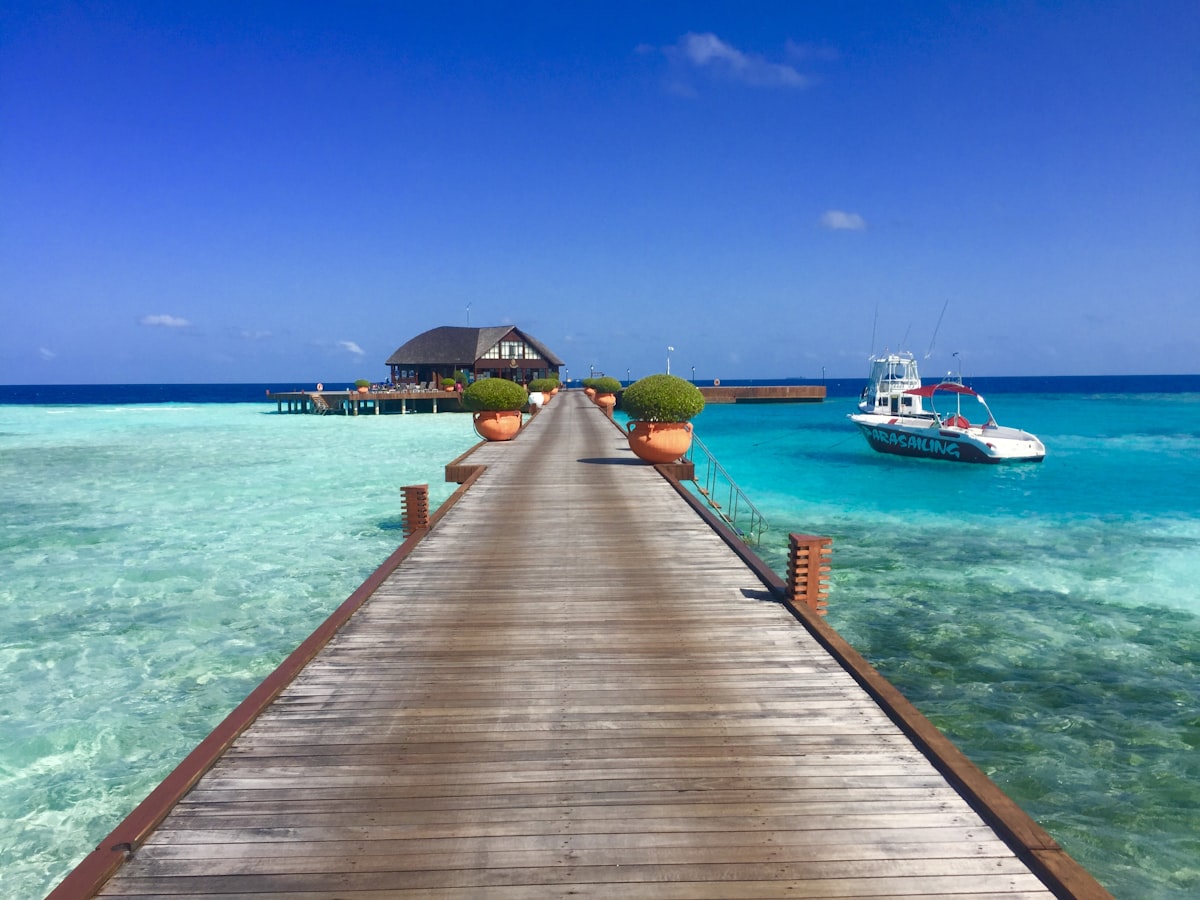
Island Sanctuary: This is the absolute golden window to fly out to tropical island retreats like Phu Quoc or the Con Dao archipelago. The ocean waters are exceptionally clear, crystalline, and completely flat—ideal for launching marine safaris, swimming off deserted white sandbars, or embarking on a premium overnight luxury cruise vessel to watch the sunset paint the tropical horizon.
While the top and bottom sectors of the country enjoy dry seasons, Central Vietnam (Hue, Da Nang, Hoi An) occupies a complex, highly dynamic atmospheric transition zone during early winter.
November and December serve as the tail-end of the central region's intense monsoonal rainy cycle. Travelers visiting the ancient streets of Hoi An during these specific months should anticipate grey, overcast skies and persistent rain showers. However, as January transitions into February, the rains break beautifully, revealing comfortable spring-like warmth and clear blue waves across the central coast just in time for the annual festive season.
Our local specialists can turn this guide into a tailored itinerary.