
Tours Cart
$4498
View Cart

From Cuc Phuong to Phong Nha-Ke Bang, explore wildlife trails and giant cave systems.
While Vietnam is celebrated for its sweeping coastlines and historic cities, its true green frontier lies hidden within its magnificent network of over 30 national parks. From ancient primeval rainforests that have stood for millennia to colossal limestone cave systems, these protected areas are a dream come true for eco-travelers.
Whether you are seeking a misty mountain trek, a glimpse of rare endangered primates, or a slow-paced kayak journey through flooded forests, Vietnam's wilderness offers an unparalleled escape from the concrete jungle. It is a world where nature writes the script, inviting you to reconnect with the raw, beating heart of the earth.
Established in 1962 as Vietnam's very first national park, Cuc Phuong is a legendary sanctuary of biodiversity located just a short day-trip south of the historic capital of Hanoi. This expansive valley is nestled within sharp limestone karsts and is home to an astonishing array of flora and fauna.
Trek deep into the humid jungle to stand in awe before the "Tree of a Thousand Years" (Cây Chò Ngàn Năm), a colossal jungle giant whose roots run deep into Vietnamese history. If you visit late in the spring (April to May), the entire forest transforms into a fairytale world as millions of colorful wild butterflies hatch, creating shifting clouds of white and gold across the jungle trails. Don't forget to visit the park's Endangered Primate Rescue Center to see the incredible conservation work being done to save the rare local langurs.
Further down the spine of Central Vietnam, near the poetic imperial city of Hue, lies a land of geological wonders: Phong Nha-Ke Bang National Park. This UNESCO World Heritage site protects the oldest karst mountains in Asia, dating back over 400 million years, and hides the largest cave systems on the planet.
While elite adventurers trek for days into the legendary Son Doong Cave, casual eco-explorers can easily discover wonders like Paradise Cave (Động Thiên Đường) or the dark water rivers of Phong Nha Cave. Walking into these cavernous underground cathedrals, surrounded by glowing, monumental stalactites that look like frozen waterfalls, is a humbling reminder of nature's immense creative power.
Vietnam's national parks are not confined to the mainland. Some of the most delicate and beautiful ecosystems are found where the dense rainforest crashes straight into the crashing waves of the ocean.
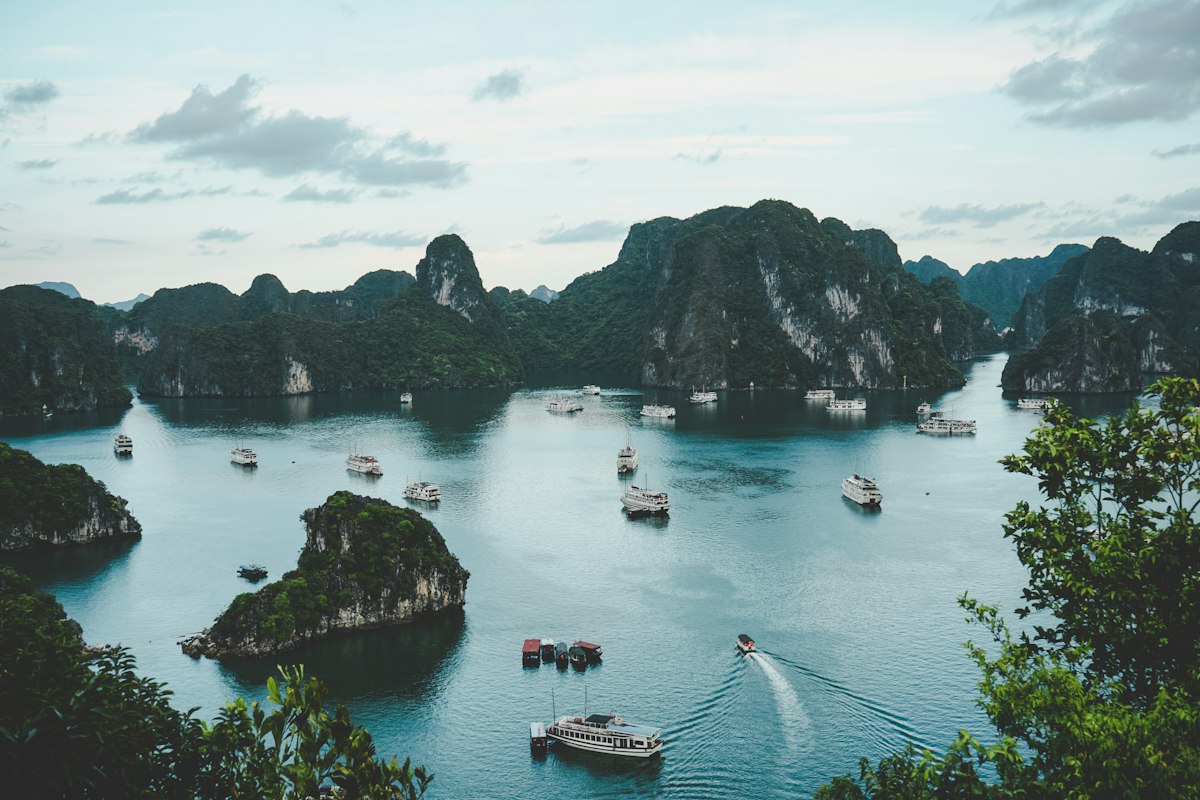
Cat Ba National Park: Guarding the rugged island terrain right next to Halong Bay, this park offers a challenging hike up to Ngu Lam Peak for a panoramic view over endless waves of green limestone hills. It is also the final refuge for the critically endangered Cat Ba Langur.
Con Dao National Park: Located off the southern coast, this pristine marine sanctuary is a haven for sea turtles. Eco-conscious travelers can participate in night watches with park rangers to witness nesting turtles or assist in releasing thousands of tiny baby hatchlings safely into the blue ocean—a beautifully mindful journey often highlighted on sustainability-focused expert nature tours.
Our local specialists can turn this guide into a tailored itinerary.