Tours Cart

x 2

x 3
$4498
View Cart

Ensure respectful and meaningful connections with locals by mastering temple dress codes, bargaining manners, and cultural nuances.
Vietnam is a country deeply rooted in Confucian values, ancestral respect, and a rich tapestry of cultural traditions. While locals are incredibly welcoming, warm, and forgiving of foreign visitors, mastering the subtle nuances of local travel etiquette can elevate your journey from a simple sightseeing vacation to a deeply respectful, meaningful connection. Whether you are stepping into a centuries-old pagoda or navigating a bustling street market, observing these essential do’s and don’ts ensures you travel with grace and cultural sensitivity.
When exploring Vietnam’s spiritual landmarks, your attire and behavior send an immediate message to the local community. Always ensure your shoulders and knees are fully covered before entering any religious compound. Remove your hat and sunglasses upon crossing the threshold, and in many traditional structures, you will be required to leave your shoes at the entrance. Keep your voice at a respectful murmur, and never touch sacred relics, altars, or point your feet directly at a Buddha statue or a monk while sitting.
These strict protocols apply across all historic hubs, from the quiet pagodas of the North to the private ancestral estates featured in our guide to immersive cultural experiences in Hoi An. Approaching these spaces with visible reverence not only shows respect for Vietnam’s living heritage but often prompts locals to share deeper, closed-door insights into their family customs and historical narratives.
The concept of "saving face" (giữ thể diện) is central to social interactions in Southeast Asia. Public displays of anger, raising your voice, or aggressively arguing with a vendor will cause both you and the other party to lose face, instantly shutting down any positive communication. If a dispute or misunderstanding arises, maintain a calm demeanor, a polite smile, and negotiate quietly to achieve a seamless resolution.
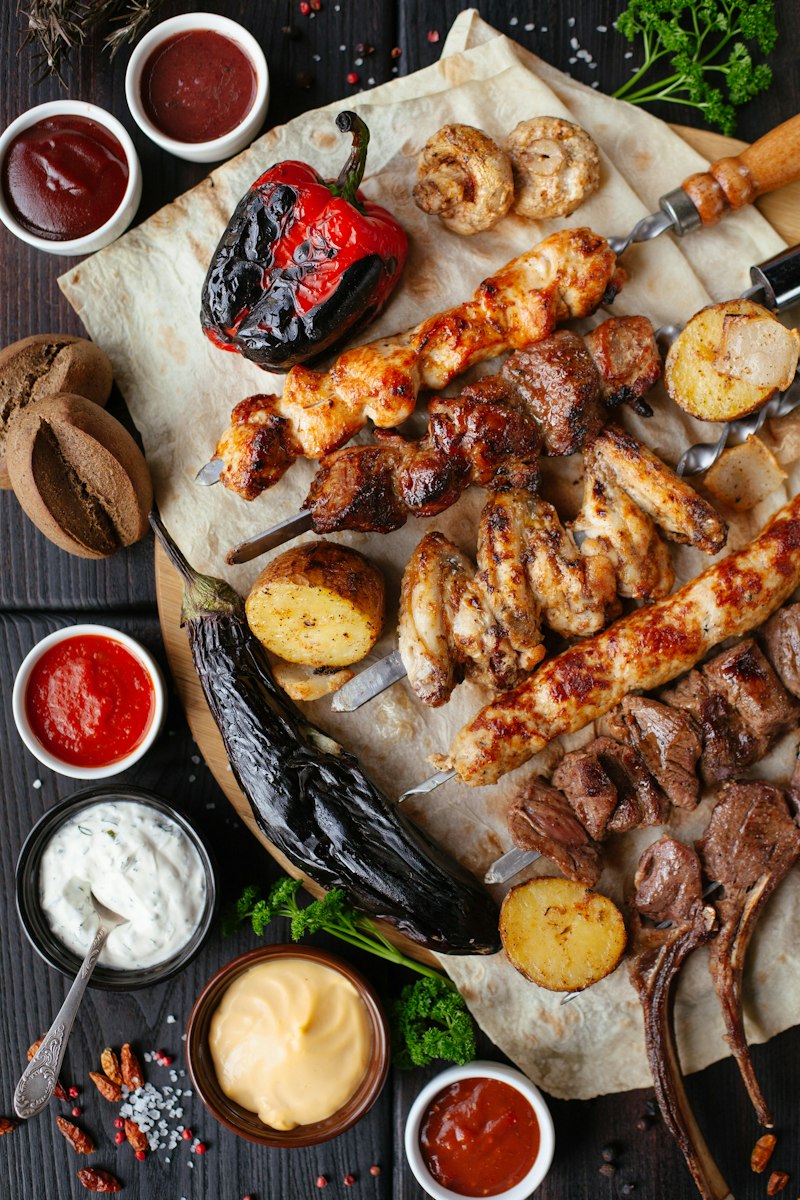
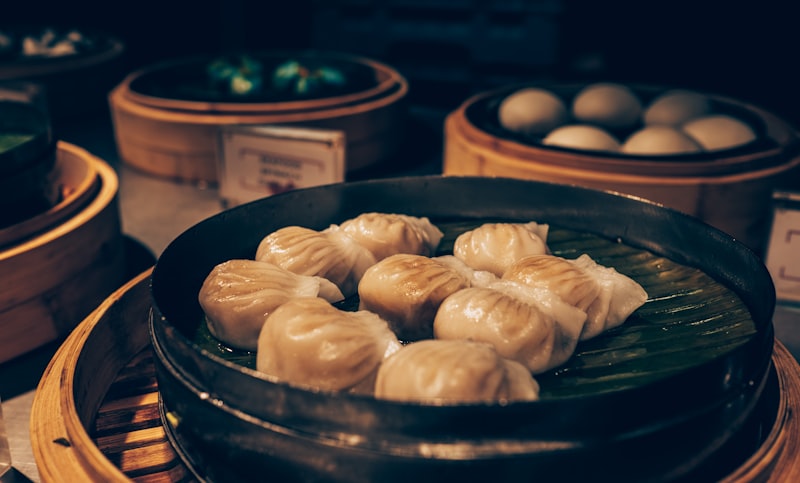
Vietnamese culinary culture is highly communal, and sharing food is an act of deep hospitality. When dining, always wait for the eldest person at the table to pick up their chopsticks before you begin eating. It is polite to pass communal dishes using both hands, and when resting your chopsticks between bites, place them across your rice bowl or on the designated holder—never stick them vertically into your rice, as this visually mimics burning incense sticks used at traditional altars for the deceased.
When exploring local craft markets or street vendors throughout Northern Vietnam or down in Southern Vietnam, bargaining is an accepted practice but should always be treated as a lighthearted social dance. Approach it with humor and a smile, aiming for a price that feels fair to both parties rather than fighting aggressively for the lowest possible cent. Remember, for local artisans, that small difference often directly supports a multi-generational livelihood.
Experiencing the genuine warmth of local hospitality requires more than just a map—it thrives on mutual respect. Our elite private guides act as cultural ambassadors, bridging communication gaps and ensuring your interactions remain flawless.
Explore our curated luxury Vietnam tours to secure your private cultural itinerary and expert local guides today.
Our local specialists can build a custom itinerary around it.